Books and Wine Are How I Like to Spend
A Designer’s First Look: Charm with Quiet Confidence
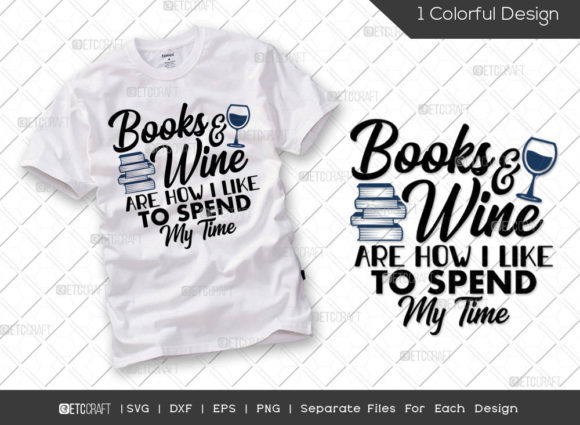
When Books and Wine Are How I Like to Spend landed in my inbox, I paused—not because it screamed for attention, but because it settled in like a well-worn novel on a rainy afternoon. It’s warm, literate, and gently witty. As a machine embroidery designer who tests hundreds of digital embroidery files each year, I immediately scanned its visual rhythm: balanced asymmetry, soft curves in the wine glass stem, slightly rounded book spines, and friendly, legible lettering that leans into personality without sacrificing readability. This isn’t a bold statement piece—it’s a quiet invitation. That makes it ideal for embroidered tote bags, relaxed-fit sweatshirts, or linen tea towels where subtlety reads as intention.
How It Lives in Real Embroidery Projects
Last week, I stitched Books and Wine Are How I Like to Spend onto a natural cotton canvas tote for a local indie bookstore’s staff gift set. The result? A handmade product that felt personal—not mass-produced. On medium-weight fabric with light tear-away stabilizer, the fill stitch held clean lines across the book spines, and the satin stitch on the wine glass rim stayed crisp without puckering. I used two thread colors (deep burgundy and warm taupe) to keep contrast high but harmonious—no need for neon highlights here. Customers responded instantly: “That’s *me*,” one said, running her finger over the stitches. That kind of resonance is gold for Etsy sellers and small shop owners building emotional connection through custom apparel and personalized gifts.
I also tested it on a lightweight baby onesie using soft cutaway stabilizer and 40-weight rayon. The design scaled down cleanly at 3.5 inches wide—the lettering remained legible, and the wine glass didn’t lose its shape. For holiday embroidery or nursery decor, this flexibility matters. It works just as well on an apron pocket or pillow cover, where charm and clarity trump complexity.
Where to Use It Thoughtfully
Books and Wine Are How I Like to Spend shines on stable, flat surfaces—but tread carefully on curved or textured terrain. On caps or structured hats, the slight curve can distort the wine glass base unless you use a low-profile hoop and dense stabilizer. On stretchy fabric like jersey tees, skip the direct-embroider route; instead, turn it into an embroidered patch first, then attach. And avoid dense fill areas on thin fabrics—those tight book spine sections can cause shadowing or stiffness if not stabilized properly.
Dark fabric? Yes—but only with high-contrast thread (ivory or cream over navy or charcoal). Light fabric? Easy. Just confirm your digitizing includes proper underlay for clean edges. And while the design doesn’t have ultra-fine details like tiny script or hairline separators, the corners of the wine glass handle and the inner curve of the “O” in “Books” do benefit from a quick stitch-density check before final production. Overly dense stitching there can cause thread buildup and slow your machine down.
What It Adds to Your Finished Product
- Visual appeal: Warm, cohesive, and instantly recognizable—no decoding required.
- Stitching clarity: Clean outlines and open spacing between elements mean fewer thread breaks and smoother runs.
- Product value: Elevates a plain tote or sweatshirt into a curated, boutique-ready item.
- Customer trust: Feels handmade and intentional—not clip-art repurposed.
- Giftability: Hits that sweet spot between clever and comforting—ideal for teachers, librarians, book club hosts, or wine lovers who’d rather read than socialize.
Practical Notes Every Embroidery Designer Should Keep Handy
Before adding Books and Wine Are How I Like to Spend to your next craft business lineup or client project, do these five things:
- Test the embroidery file on scrap fabric matching your final product—especially if using textured or dark materials.
- Check thread color contrast in both black-and-white and color mockups. What reads beautifully on screen may vanish on navy twill.
- Review stitch density in the wine glass bowl and book title area. If it feels heavy, adjust underlay or reduce density slightly.
- Confirm hoop size compatibility. Most versions will fit comfortably in a 4x4 hoop, but verify before hooping live fabric.
- Inspect licensing terms—this is a digital embroidery file, not a free graphic. If you’re selling finished products or reselling the design assets, ensure commercial use is permitted.
Why It Fits Seamlessly Into Your Creative Workflow
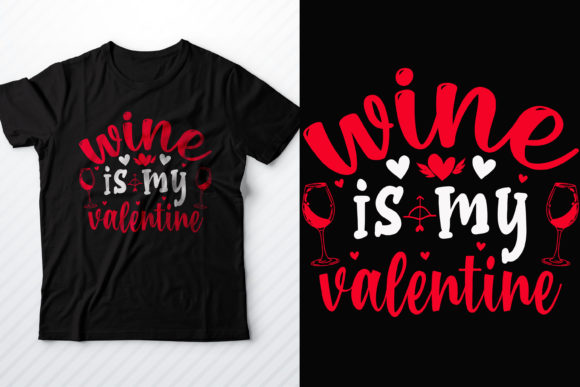
This isn’t just another T-Shirt Designs download. Books and Wine Are How I Like to Spend functions as versatile design assets across multiple formats—SVG, DXF, EPS, and PNG—and translates cleanly from print-on-demand mockups to real-world embroidery projects. As a Graphics file, it gives you flexibility for applique design, iron-on transfers, or even vinyl cutting alongside your machine embroidery work. For Etsy sellers, that means one design can support listings for embroidered patches, printable quote cards, and SVG-based t-shirt bundles—without needing to redraw anything.
It’s also refreshingly uncluttered. No extra flourishes, no forced cutesiness. That restraint makes it easy to pair with complementary designs—think minimalist book icons or simple grapevine borders—without visual competition. In a crowded market of reading-themed embroidery files, this one stands out by staying grounded, thoughtful, and quietly confident.
The Bottom Line for Makers and Sellers
If you're curating embroidery project ideas for a spring craft fair, building a boutique collection of personalized gifts, or stocking your Etsy shop with relatable, high-conversion designs, Books and Wine Are How I Like to Spend earns its place. It’s not flashy—but it’s memorable. Not complicated—but it rewards attention. And most importantly, it stitches true: no surprises, no frustration, just clean, confident craftsmanship that lets your customers feel seen.