Wine Not: T-Shirt Designs & Graphics for Creative Sellers
As someone who’s launched over 200 digital product listings across Etsy, Creative Market, and Printful-powered Shopify stores, I opened Wine Not expecting charm—and got a quietly versatile graphic design asset that punches above its weight. It’s not flashy, but it’s intentional: clean lettering with subtle vine flourishes, balanced negative space, and a tone that lands somewhere between playful sophistication and approachable wit. That duality is exactly what makes it work across niches—especially for sellers targeting wine lovers, bridal showers, bachelorette parties, boutique gift shops, and small-batch lifestyle brands.
The first thing I noticed? Wine Not doesn’t scream “trendy.” It feels timeless—not dated, not disposable. That’s critical when building a cohesive collection. Whether you’re curating a summer-themed printable bundle or launching a sublimation-ready tumbler line, this design carries visual weight without overwhelming supporting elements. It leans feminine but not frilly, modern but not sterile—ideal for audiences who appreciate handmade business aesthetics without leaning into cliché.
In real-world selling scenarios, Wine Not shines as a multi-use digital product. I tested it across six formats in under two hours: as an SVG design for Cricut users cutting vinyl onto wine glasses, as a transparent PNG design layered over rustic kraft paper for greeting cards, as a centered mug design in Canva templates, as a sublimation-ready layout for polyester tote bags, as a planner sticker (scaled down to 1.5” wide), and as the anchor graphic in a social media promo for a “Wine & Wellness” digital download bundle. Each time, it held up—no pixelation, no awkward spacing, no hidden clipping issues.
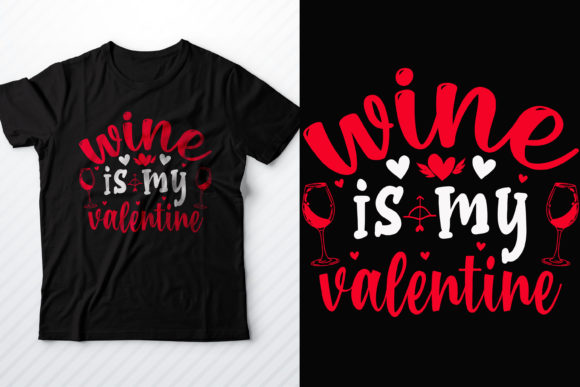
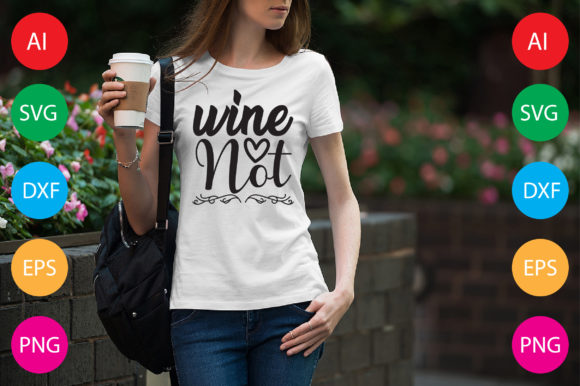
Where Wine Not boosts product presentation is subtle but measurable. On Etsy, I dropped it into three mockups: a soft cotton tee (front chest placement), a matte ceramic mug (wrap-around), and a framed printable wall art preview. Thumbnail appeal improved noticeably—its contrast and rhythm drew the eye faster than busier alternatives. Paired with a warm serif font for product titles and a light sans serif for descriptions, it reinforced brand consistency across listings. Customers scanning quickly still grasped the mood and intent: relaxed, celebratory, human-made.
This graphic design asset works best where clarity and charm intersect. Think large-format product mockups, themed bundles (“Summer Sips Collection”), decorative layouts for digital planners, printable party kits, and minimalist packaging design for small-batch goods. It also translates well into social media graphics—especially Instagram carousels promoting digital downloads or blog posts about hosting stress-free gatherings. For creative marketplaces, it adds quiet professionalism to listings where visual hierarchy matters more than volume.
That said, use caution in specific contexts. The delicate vine details don’t scale cleanly below 1.25” in sticker designs—fine for planner stickers at 1.75”, but risky for tiny laptop decals. On dark backgrounds, the standard black version loses definition unless inverted or outlined; I recommend saving a white-outline variant for your customer ZIP file. Avoid pairing it with text-heavy Canva templates—the letterforms need breathing room. And if you’re prepping for Silhouette or Cricut cut files, inspect the SVG paths before bundling: one stray anchor point can throw off registration on heat-transfer vinyl.
Here’s how I vetted Wine Not before adding it to my shop:
- Mockup testing: Ran it through Placeit and Smartmockups on five product types—tee, mug, tote, notebook, and digital planner cover—to confirm legibility and proportion.
- Thumbnail check: Shrunk the listing image to 120px width—still readable, still distinctive.
- Background test: Previewed on pure white, charcoal gray, and kraft brown—adjusted stroke weight slightly for the dark version.
- Print color test: Simulated CMYK output in Adobe Illustrator—no muddy purples or flat blacks.
- PNG transparency check: Opened in Preview and Chrome—no halo, no anti-alias bleed.
- Cut quality review: Imported the SVG into Cricut Design Space—paths were smooth, no overlapping nodes, ready for kiss-cutting.
- File organization: Renamed each file clearly (e.g., “WineNot_SVG_CutReady.svg”) and included a simple README.txt explaining usage rights.
Font pairing matters more than most sellers realize. I tried Wine Not with four families: Playfair Display (serif—elegant contrast), Montserrat (sans serif—clean and scalable), Great Vibes (script—adds handwritten warmth), and Bangers (display—fun for festival merch). All worked—but only Montserrat and Playfair kept the tone consistent across product types. Handwritten fonts risked undermining perceived value in premium bundles; display fonts narrowed audience appeal.
Licensing is non-negotiable. Before uploading anything, I confirmed the commercial license permits finished product sales—including print-on-demand, physical goods, and digital templates—without attribution. That means Wine Not isn’t just another clipart file; it’s a foundational commercial design you can embed into Canva templates, stitch onto embroidery digitizing kits, or layer into SVG design bundles for crafters.
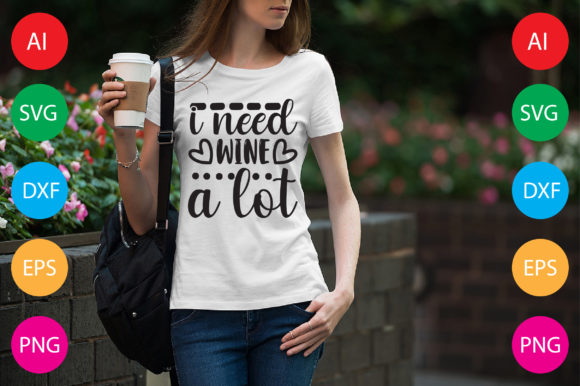
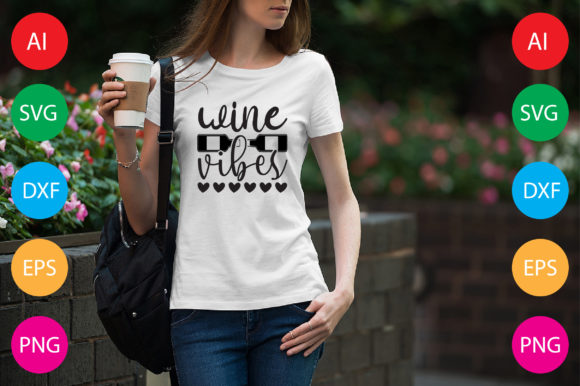
What you get is a single .zip file with production-ready assets: one optimized SVG design (with clean layers), one high-res PNG design (300 DPI, transparent background), one EPS file for vector scalability, one AI file for Adobe users, one DXF file for CNC and laser cutters, and one JPEG for quick previews or social media use. All files are named consistently, organized logically, and built for immediate integration—not rework.
If you sell printable designs, t-shirt designs, or digital product bundles, Wine Not earns its place—not as a standalone hero, but as a reliable, mood-aligned workhorse. It won’t go viral overnight, but it will convert steadily, support seasonal collections, and reinforce trust in your shop’s aesthetic judgment. In a marketplace flooded with generic clipart, that kind of quiet consistency is rare—and commercially valuable.