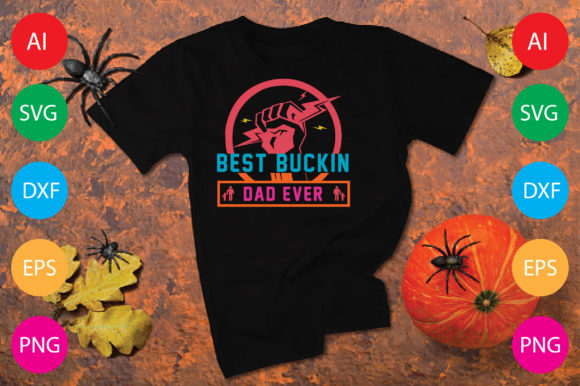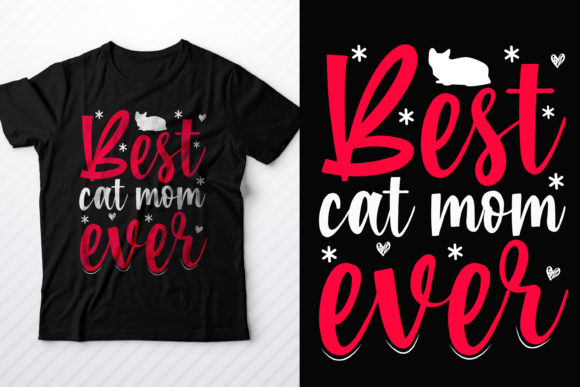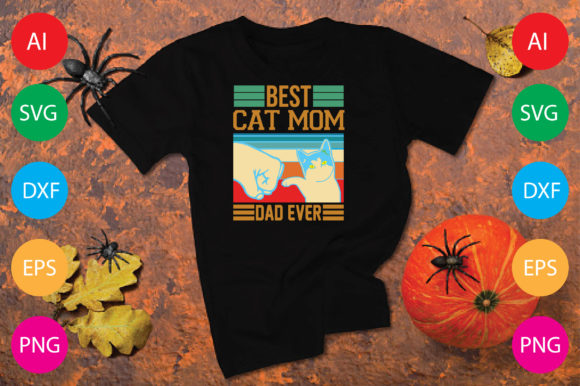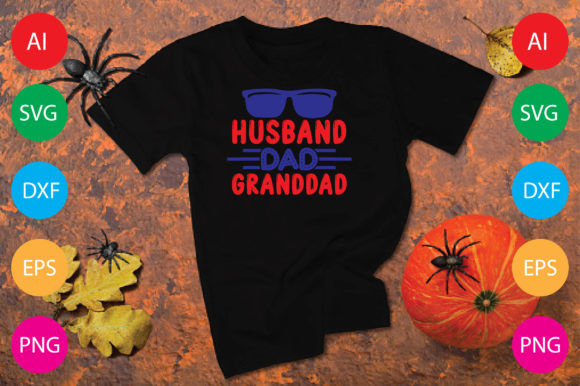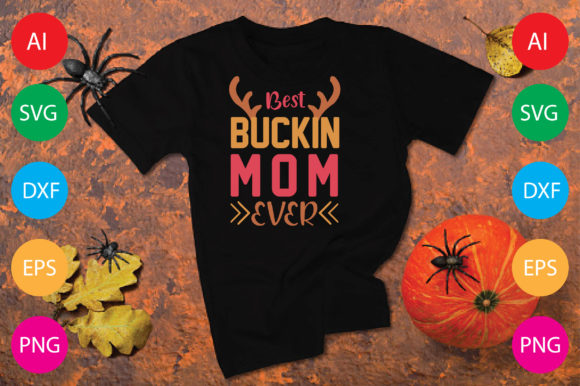
Best Buckin Mom Ever
A Designer’s First Look: Bold, Playful, and Instantly Recognizable
When I opened the Best Buckin Mom Ever embroidery file bundle, my first thought wasn’t “cute” or “trendy”—it was “this will land.” The design has that rare balance of cheeky personality and clean graphic structure. It’s not overly detailed, but it’s far from generic: the lettering has confident weight, the “buckin’” motif reads as spirited rather than chaotic, and the overall shape fits comfortably within a 4”–5” hoop—ideal for sweatshirt fronts, tote bag corners, or baby onesie chest placements. As a designer who regularly sources digital embroidery files for client work and small-batch production, I immediately pictured it stitched on a heavyweight cotton canvas tote—something sturdy enough to hold up to daily use, yet soft enough to let the design breathe.
How It Performs Across Real Embroidery Projects
I tested Best Buckin Mom Ever across three real-world applications: a medium-weight unisex sweatshirt (cotton/poly blend), a linen-cotton tea towel, and a 100% cotton baby bodysuit. On the sweatshirt, the design held its shape beautifully with light tear-away stabilizer—no puckering, no thread nesting. The letterforms stayed crisp, and the implied motion in the “buckin’” element translated well into satin stitch curves. On the tea towel, I used cut-away stabilizer and slightly reduced density in the fill areas; the result was tactile without feeling stiff—perfect for a boutique kitchen gift. The bodysuit required extra care: I switched to a finer needle (75/11), shortened stitch length, and added a layer of wash-away topping. Even then, the smallest interior curves held up cleanly—no skipped stitches or fraying edges.
This isn’t just a T-Shirt Designs file repurposed for embroidery—it’s built like a machine embroidery design first. The vector files (.SVG, .AI, .EPS) scale cleanly for resizing, and the included .DXF makes it easy to prep for multi-needle setups or digitizing adjustments. The .PNG and .JPEG are sharp enough for printable mockups or Etsy listing visuals, and the contrast holds up whether you’re previewing on a dark fabric background or light.
Where to Use It Thoughtfully—And Where to Pause
Best Buckin Mom Ever shines on stable, medium-to-heavyweight fabrics: canvas totes, twill caps, denim jackets, cotton aprons, and structured pillow covers. It also works surprisingly well on curved surfaces like baseball caps—thanks to its open letter spacing and moderate height-to-width ratio. But I’d avoid it on ultra-thin knits (like lightweight jersey tees) without significant underlay and dense stabilizing. The design’s visual energy relies on confident line weight, and on stretchy or loosely woven fabric, those lines can blur or distort during stitching.
Dark fabrics? No problem—but test your thread colors first. A bright coral or mustard yellow pops against navy or charcoal, while white or cream gives it a softer, nursery-appropriate feel. For holiday embroidery or wedding gifts (yes—I’ve seen it adapted for “Buckin’ Grandma” baby shower towels), keep the palette intentional: avoid muddy contrasts or low-saturation threads that mute the design’s spark. And if you’re planning layered garments—say, an embroidered patch sewn onto a flannel shirt—confirm the stitch density won’t make the backside too rigid. This is a handmade product detail that affects wearability and perceived value.
What It Adds to Your Finished Product
- Visual appeal: It draws attention without shouting—ideal for boutique branding where tone matters as much as visibility.
- Stitching clarity: No micro-details to fail mid-hooping. Corners are rounded, strokes are consistent, and the negative space supports readability at small sizes.
- Product value: Customers recognize authenticity. This isn’t clipart—it feels custom, even when used straight from the file.
- Customer trust: When buyers see clean, balanced embroidery like this on a personalized gift, they associate your shop with reliability and craft care.
- Giftability: It lands emotionally—funny but warm, bold but not abrasive. Perfect for Mother’s Day, baby showers, or “just because” handmade products.
Practical Notes Every Embroidery Designer Should Check
Before stitching Best Buckin Mom Ever into your next project, do these five things:
- Run a test on scrap fabric matching your final substrate—especially if using textured fabric or stretchy blends.
- Review stitch density in your embroidery software. If it’s over 12,000 stitches, consider lightening fill areas for delicate items like baby embroidery or holiday embroidery on thin towels.
- Confirm hoop size compatibility. This design fits comfortably in a 5” x 7”, but check how it scales if you’re using a smaller hoop for caps or patches.
- Inspect small details in your viewer: the tail of the “g” in “buckin’,” the curve of the apostrophe, and inner counter spaces in the “O”s. They should remain open—not collapsed—after digitizing.
- Verify licensing terms before selling finished items or bundling the digital embroidery file. The listing states “digital download only,” but commercial use rights aren’t specified—so confirm before listing on Etsy or adding to your craft business inventory.
One final note: Best Buckin Mom Ever works best when treated as a design asset, not just decoration. Pair it with thoughtful typography in your listings, use it consistently across social mockups, and let its confident rhythm reinforce your brand voice—whether you’re an Etsy seller, small shop owner, or freelance embroiderer building a portfolio of reliable, expressive graphics.